
The infrastructure for wastewater and water has grown beyond gravity-based systems. As communities expand and land becomes more complicated to develop, engineered pumping solutions have a crucial role to play in maintaining water flow smoothly and safely. Pump stations that are designed properly will be able to support everything from water collection to stormwater control, distribution of potable water and industrial activities.
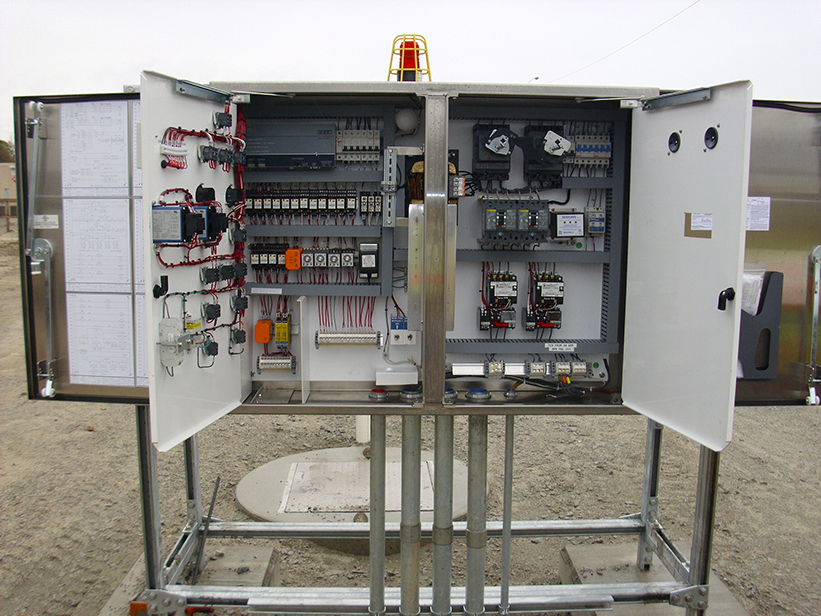
Each pumping job has its own particular set of requirements that include elevation changes as well as flow demands as well as water quality and the need for ownership. By taking these considerations into account when designing the project, you can reduce the likelihood of long-term problems and make sure that the system will function exactly as you want it to for a long time.
Why a System for Pumping Packages Must Be Project-Specific
The packaged pumping system is designed as an integrated, complete solution rather than a collection of items from the store. The conditions at the site, environmental rules, and operational goals are all aspects that impact the design of a pumping system. Different configurations of pumps and control strategies are needed in commercial projects, municipal facilities, and industrial establishments.
By analyzing flow rates and duty points and lifecycle cost upfront engineers can come up with initial layouts and budgetary estimates to help them make smarter choices. This approach reduces the need for redesigns and also avoids costly surprises in construction. It also sets expectations between all stakeholders.
Modern Developments The Wastewater Lift Stations
As urban areas are growing, the sewer infrastructure needs to be adapted to difficult terrain and growing service areas. These systems are indispensable in areas where gravity flow can’t keep up with the demand.
Wastewater lift stations should be able to handle variable flows, manage solids, corrosion resistance and comply with the requirements of regulatory agencies. Municipal systems tend to prioritize longevity and ease of maintenance, while private or industrial systems could focus on capacity and scalability. Custom engineering allows structures, pumps and controls to be chosen based on the operating environment.
Stormwater Lift Stations for Environmental Protection
As the pace of development increases and weather patterns become more unpredictable managing stormwater efficiently is becoming more vital. A well-designed stormwater lift station helps control runoff, manage detention ponds, and reduce flooding risks. These systems also help with the environment by redirecting stormwater for treatment before release into natural waters.
Stormwater pumping systems should be able to work reliably under a variety conditions, from moderate rains to storms that are heavy. When designing these stations engineers consider peak flows and seasonal variations, as in addition to long-term sustainability. Flexible choices in materials and pump technologies permit the systems to adapt to changes in requirements over time.
Pumps are used for Industrial Use and for Clean Water
Pump stations are not limited to the use of municipal facilities. Pumping systems are utilized in industrial establishments to manage high-temperature liquids, high pressure applications, oily water, and chemically aggressive waste streams. The design of these systems requires specific knowledge and a careful selection of materials.
Water distribution systems for commercial, residential and municipal use, such as booster stations, are supported by water systems that are clean. The ability to maintain a constant flow and pressure is vital to customers’ satisfaction as well as reliability. Pump stations designed for irrigation and reclaimed water, groundwater extraction, and other large water features need to balance efficiency and the durability.
Design integrated from a single source
Risk and complexity can result from coordination of multiple vendors to provide electrical, structural, mechanical and control components. Single-source design and delivery eases the process of implementation and increases compatibility. The use of experience from a variety of pumping scenarios allows design teams to design practical solutions fast and effectively.
Romtec Utilities employs this integrated method in stormwater, wastewater management industrial and clean water applications. When Romtec Utilities takes care of the entire pumping system, including engineering, equipment selection, structural housing and control, projects gain improved communication and greater consistency.
Today’s infrastructure is based on the ability of pumps to respond to actual situations, not to the assumption of a general nature. The thoughtful design, the early evaluation, and integrated execution will ensure that each pump station performs reliably in order to meet the long-term demands of its owners and operators.