
Connected devices are a key part of modern business. They collect data, automate processes and enable smart operations. The management of a large number of devices across multiple locations, especially when they increase in size, can be a challenge. Operations on devices require constant tech-savvy expertise and constant attention. From security compliance to optimization of performance and software updates, they all demand constant attention. Structured managed services can help to simplify the process.
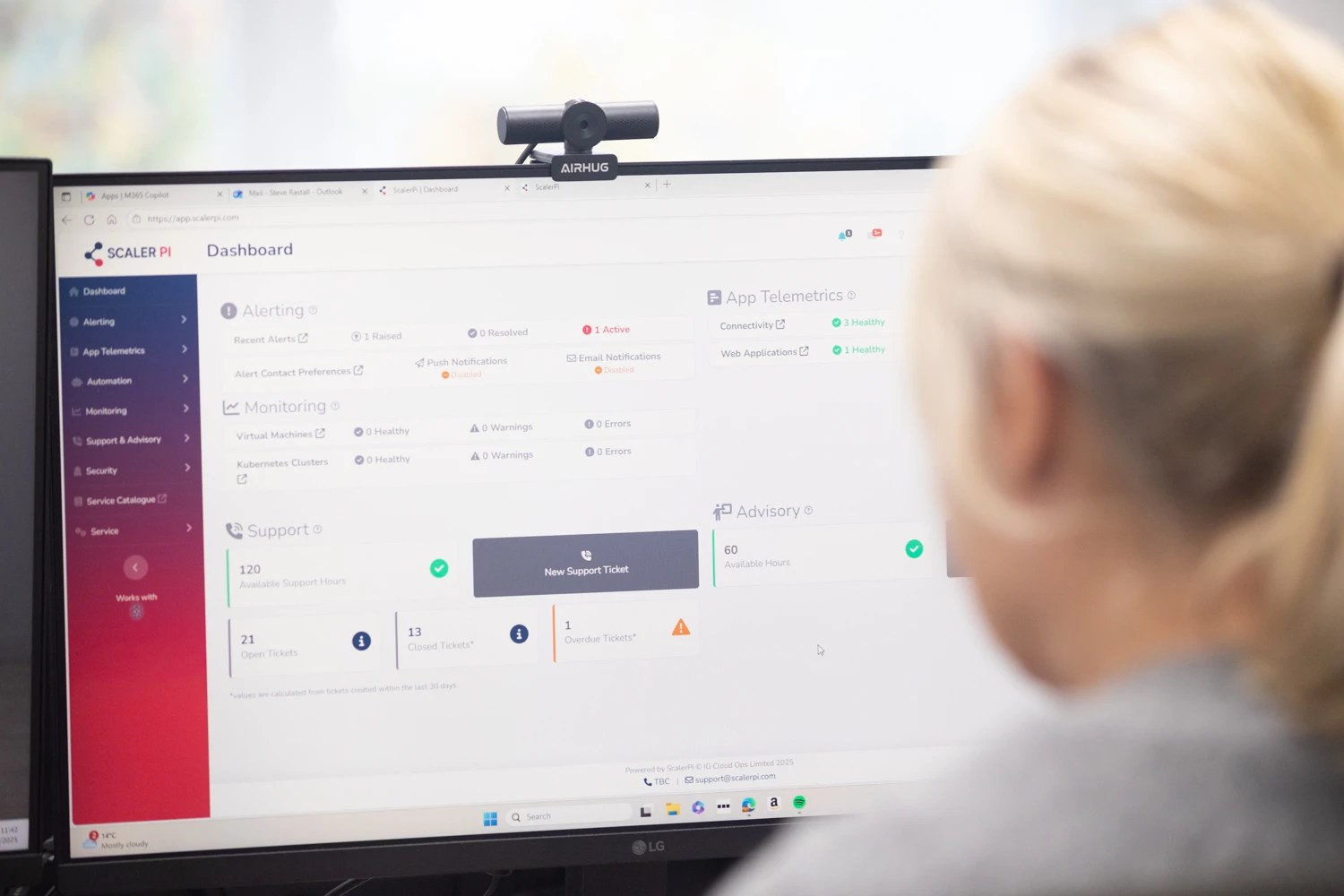
Organizations often begin their journey searching for Raspberry device management software free options to reduce upfront costs. While free tools can provide simple monitoring capabilities and remote access, they don’t offer the depth of lifecycle management required for enterprise-grade deployments. With the growing number of devices on networks, companies require more than dashboards and manual control. They require an integrated platform that can handle security hardening, provisioning, performance monitoring, and compliance reporting in a way that is automated and efficiently.
Internal staff is freed of the burden of daily operations by a fully managed infrastructure. Instead, businesses can focus on innovation and growth instead of repairing and troubleshooting equipment and systems. A common framework is utilized to set up, deploy, and maintain all devices that ensures consistency and reliability. This model of operation does not only minimize downtime, but also helps eliminate security risks that frequently result from ignoring update or incorrect configurations.
A Partnership Model Built to Scale
IoT ecosystems that have been successful can’t be created in isolation. They require the strategic planning of a smart architecture and constant improvement. An experienced Raspberry Pi partner with experience in design will make sure that the hardware, software and system’s structure are in line with operational goals. Instead of treating the deployment as a one-time project the partnership model builds a scalable base that adapts to changing business requirements.
Each managed services engagement is customized to each customer’s needs, such as hardware integration as well as platform management and technical assistance, within an operating agreement that is a single. This unified structure simplifies communication and reduces the need for a rift between suppliers. Business owners can now have designated technical contacts, clearly defined service level agreements, and transparent reports that keep everyone well-informed.
Configuration and provisioning processes are standardized to maintain device uniformity across locations. Each unit is assemble then tested and inscribing before deployment, ensuring the same performance from the beginning. Continuous telemetry provides real-time data into device health and application stability, which allows engineers to identify issues early and prevent system malfunctions before they get out of hand.
Operational Excellence through Continuous Management
Dependable IoT environments depend on proactive maintenance, not reactive troubleshooting. Updates and patches are controlled to ensure that applications and operating systems remain secure and stable. To prevent interruptions and ensure uptime, updates are thoroughly checked prior to deployment.
Compliance requirements are also built into the operation workflow. Reporting mechanisms align with regulations, regardless of whether or not organizations have to conform to ISO standards or SOC2 frameworks. This method of auditing that is structured minimizes stress and enhances security capability.
Managed services are more valuable when they include lifecycle management and optimization of performance. Regular system assessments identify opportunities to upgrade hardware and energy efficiency improvements and workload balancing. Instead of waiting for devices to fail or fall out of date, infrastructure evolves strategically alongside the growth of your organization.
Cloud and Edge Technologies seamlessly integrated
Modern deployments require the tight integration of hardware at the edge with cloud ecosystems. Expert Azure IoT-related consulting can help companies securely connect devices to cloud platforms while optimizing the data pipelines, analytics workflows, and automation capabilities. This integration of physical infrastructure and cloud intelligence enables smarter decisions and improved operational efficiency.
Professional IoT consulting ensures that monitoring platforms, security protocols, and the framework for data governance operate together. Engineers are on call 24/7 to keep track of the system’s performance and respond to irregularities in real time before they disrupt operations. Flexible support options enable organizations to expand with confidence with the knowledge that technical expertise will grow with their devices.
Simply put, the aim is to make modern edge systems appear effortless. Scaler Pi helps make edge technology more accessible through combining hardware knowledge with cloud innovation. It creates a platform that is optimized where devices as well as operations, data and all are smoothly.
Manage devices smarter
Managed services provide an accountable single source for hardware, design, monitoring, and support. The ability to predict pricing eliminates budget delays, while regular monitoring and automatic updates limit operational risk. Businesses have peace of mind that their infrastructure is safe as well as compliant and performing at its best.
As IoT ecosystems expand, the need for reliable operational frameworks is becoming crucial. A managed service that is robust ensures that device networks are reliable, secure and able to adapt to future needs, allowing businesses to be innovative without letting infrastructure management slow them down.